

Dwell Time in Experiential Marketing: Does Longer Mean Better?


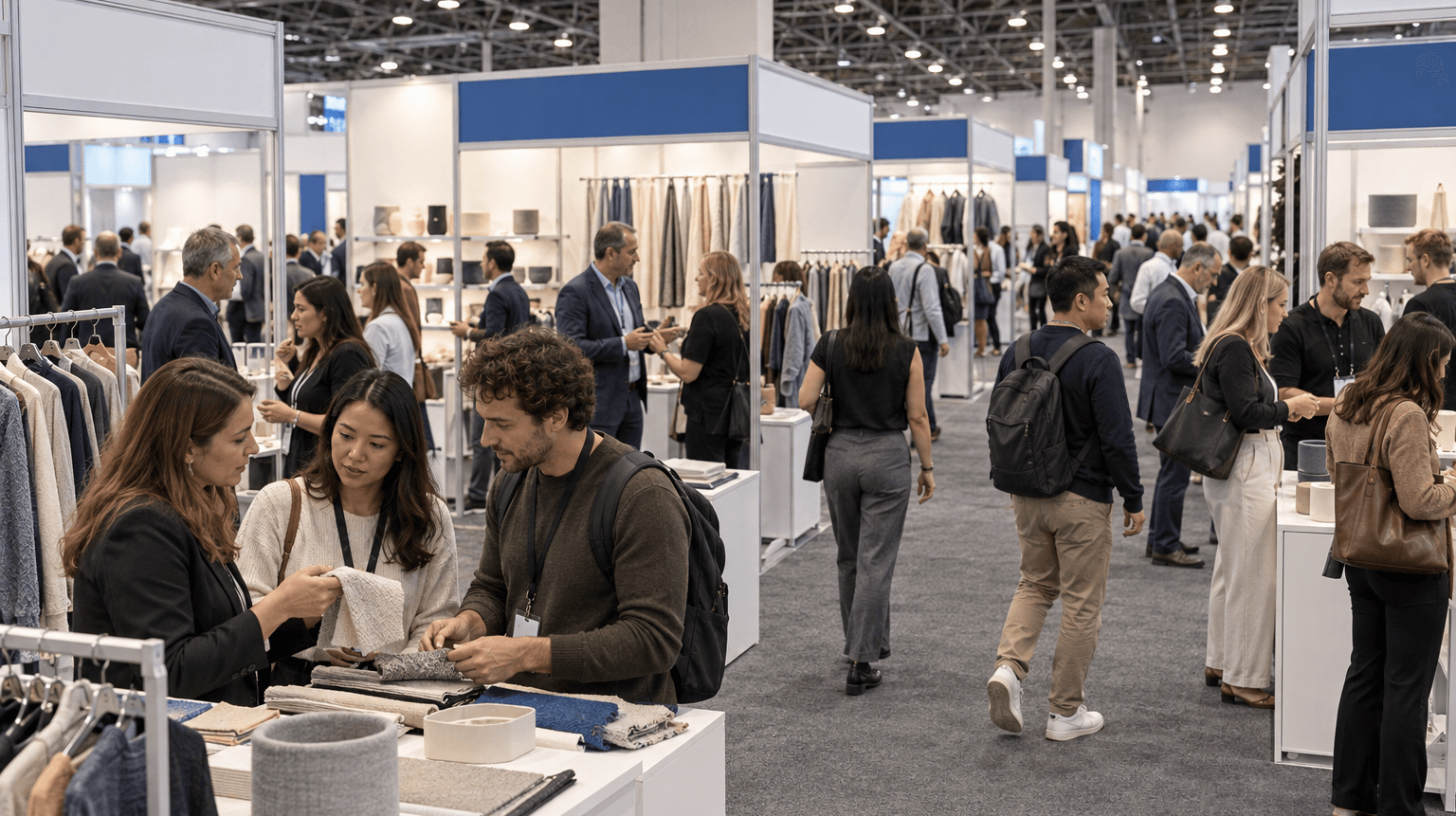
Dwell time can tell you how long someone stayed at an activation, but understanding what happened during that time tells you much more about whether the experience actually worked.
A few days ago, I saw a post on LinkedIn where a colleague was talking about how agencies love to include dwell time as a measure of success for their activations. His point was that it wasn’t really a particularly good measure for brands.
It got me thinking.
For years, one of the most common measures of success, or failure, at events and experiential activations has been dwell time. The logic makes sense. If someone spends 10 minutes at your activation instead of two, they must be more engaged. Right?
Well, the reality is that the answer might be yes, and it might be no.
Based on IMI’s experience measuring live events, there’s an important distinction between time spent and time well spent. IMI’s event measurement approach looks not only at participation, but at conversations with brand representatives, emotional connection, satisfaction, relevance and the potential impact of the experience on future behavior.
That broader view matters because dwell time, by itself, doesn’t tell you why someone stayed.
Not All Dwell Time Is Created Equal
Imagine two consumers each spend eight minutes inside an activation.
The first participates in a product experience, talks with a knowledgeable brand ambassador and leaves with a clearer understanding of what makes the brand different.
The second spends most of those eight minutes standing in line. No one talks to them and they aren’t engaged.
From a dwell-time perspective, they look identical. From a brand perspective, they couldn’t be more different.
That is why dwell time is best viewed as a diagnostic measure rather than an outcome.
The real questions are: What did people do with that time? Did the experience create a meaningful interaction? Did they understand the message? Was the message even communicated? And did the time they spent ultimately move them closer to the behavior the brand wanted to drive?
The Goal Isn’t Maximum Time. It’s Optimal Time.
There can be a temptation to assume that every extra minute is valuable, but longer isn’t automatically better.
Complicated registration, long lines, unclear instructions or unnecessary steps can all increase dwell time without creating any additional value for the customer.
In fact, sometimes improving an activation could mean reducing dwell time. If visitors understand the experience more quickly, move naturally between activities and spend more of their time interacting with the product or people behind the brand, a shorter experience may actually be a better one.
The objective should be to maximize the value of the time, not simply the amount of it.
Look at What Happens After the Clock Stops
Ultimately, brands don’t invest in experiential marketing simply to occupy people’s time. They want to create an experience that changes an attitude or behavior.
Did consumers leave with a better understanding of the brand? Did they feel more positive about it? Are they more likely to talk about it, research it, consider it or buy it?
So, the next time an event report celebrates an increase in dwell time, it may be worth asking one more question:
What happened during those extra minutes?
Because in experiential marketing, the goal shouldn’t be to keep people around longer. It should be to make every minute count.
So, What Is the Right Dwell Time?
Sorry to say that after reading this far, there isn’t one clear-cut answer.
Every activation is different, and the right dwell time depends on the experience you’re trying to create. For quick, high-throughput activations such as product sampling, IMI learning suggests diminishing returns can begin after 3–5 minutes. For more involved event experiences, 5–7 minutes can provide a strong balance between meaningful engagement and maintaining visitor interest and flow.
The goal should never be maximum dwell time, but enough time to deliver the intended message, experience and impact.
So, the next time you’re designing an activation, think about how long it actually takes to communicate the message and deliver the experience you want your customer to have.
Then design the activation around that, rather than designing it to keep people there longer.
How IMI Helps Organizations Measure their Experiential Activations
At IMI, we have been helping brands with their experiential activations globally for over 30 years. Everything from local sampling campaigns to national tours for some of the biggest brands in the world.
If you would like to learn more about how IMI can help optimize and measure your experiential activations, we would be happy to connect.