

The Wellness Gap: Why Consumers Want Health More Than Ever (And Still Reach for the Treat)


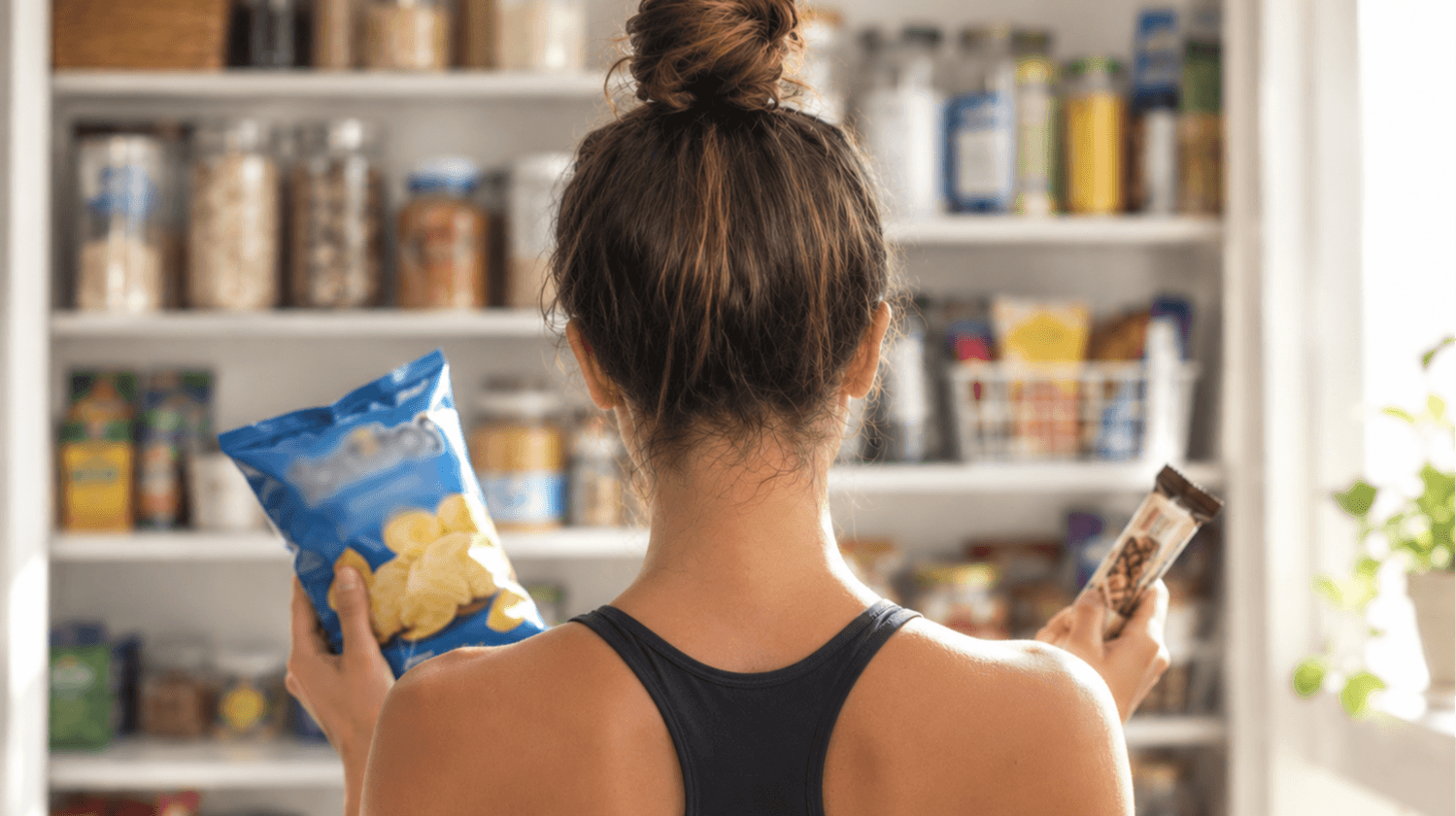
The future of wellness isn't about choosing between health and indulgence, it's about helping consumers successfully balance both.
For years, healthy eating lived on the fringe. It was something consumers aspired to, talked about, or planned to start on Monday.
Today, health has become mainstream.
Across North America, 243 million consumers have purchased a product because they believed it was healthy in the past year, and interest continues to build. Engagement in purchasing healthy products now sits at 70%, while the intensity of that behavior has increased 11% since 2019. The desire to live healthier lives isn't slowing down. It's accelerating.
But if health has become such a powerful purchase driver, why do so many consumers still choose indulgence?
That's where things get interesting.
Health Is Growing. So Is Indulgence.
At first glance, the data appears contradictory.
Consumers are increasingly motivated by health, yet 80% still eat fast food, 76% eat candy, and 75% drink soda. Even more telling, 62% say they only eat healthy foods despite these indulgent behaviors remaining deeply embedded in everyday life.
The reality is that consumers aren't choosing between health and indulgence.
They're choosing both.
For snack, beverage, and supplement brands, this distinction matters. Consumers aren't looking to eliminate treats, rewards, or moments of enjoyment. They are looking to balance them with products that help them feel good about the choices they're making.
The opportunity isn't to replace indulgence. It's to fit naturally within it.
The Real Barrier Isn't Motivation
One of the biggest misconceptions in wellness is that consumers need more convincing.
They don't.
The overwhelming majority already want to be healthier.
The challenge is follow-through.
While 70% of North Americans purchased a product because it was healthy in the past year, only 37% do so on a weekly basis.
That gap between intention and action represents one of the biggest growth opportunities in wellness today.
Consumers already care. The question becomes: how can brands make healthier choices easier, more accessible, and more rewarding in everyday life?
Because good intentions alone rarely survive a busy schedule, a stressful day, or a craving at 3 p.m.
Every Purchase Is a Micro-Negotiation
The wellness category operates within a constant psychological trade-off:
"I deserve this."
versus
"I probably shouldn't."
Consumers navigate this negotiation every day.
That means purchasing decisions are rarely purely rational. They're emotional.
A protein bar isn't just nutrition. A functional beverage isn't just ingredients. A supplement isn't just a health claim.
Each product is competing for space in a moment where consumers are weighing self-care against convenience, discipline against reward, and future goals against present enjoyment.
The brands that win understand that wellness is not a detached health objective.
It's part of everyday life.
Health Has Become Bigger Than Personal Health
Another shift emerging from the data is that health-conscious consumers aren't only evaluating products based on what they do for themselves.
They increasingly connect wellness with broader values.
Consumers who purchase products for health reasons are significantly more likely to support brands that promote health and wellness, make products locally, prioritize environmental responsibility, support charitable causes, and contribute positively to communities.
In other words, health has become holistic.
Consumers aren't simply asking:
"Is this good for me?"
They're increasingly asking:
"Is this good for the world around me?"
For brands, that creates an opportunity to build stronger connections by linking personal wellness to community impact, sustainability, and purpose.
Three Growth Opportunities for Snack, Beverage, and Supplement Brands
Rather than treating consumer inconsistency as a problem to solve, brands should view it as a reality to design for.
1. Make healthy choices feel effortless
Consumers don't need more reasons to care about health. They need products that remove friction and fit naturally into existing routines.
2. Build for the moments where decisions actually happen
Wellness doesn't happen in ideal conditions. It happens during rushed mornings, afternoon slumps, commutes, workouts, and late-night cravings. The closer your brand gets to those moments, the more relevant it becomes.
3. Connect wellness to something bigger
Health-conscious consumers are often values-driven consumers. Brands that effectively connect personal wellbeing with environmental responsibility, community support, or broader impact have the opportunity to create stronger emotional resonance.
The Future of Wellness Isn't Perfect
The future of wellness isn't about consumers eliminating indulgence.
It's about helping them navigate it.
Consumers want to be healthier. They're increasingly excited about health. And they're actively looking for products that support those goals. But they're also human.
They still want convenience. They still want enjoyment. And they still want the freedom to treat themselves.
The brands that succeed won't be the ones asking consumers to choose between health and happiness.
They'll be the ones proving they can have both.
At IMI, we help brands move from insight to action.
Whether you're identifying whitespace opportunities, understanding evolving consumer motivations, or developing growth strategies grounded in real behavior, our insights help brands compete and grow. Let's connect.